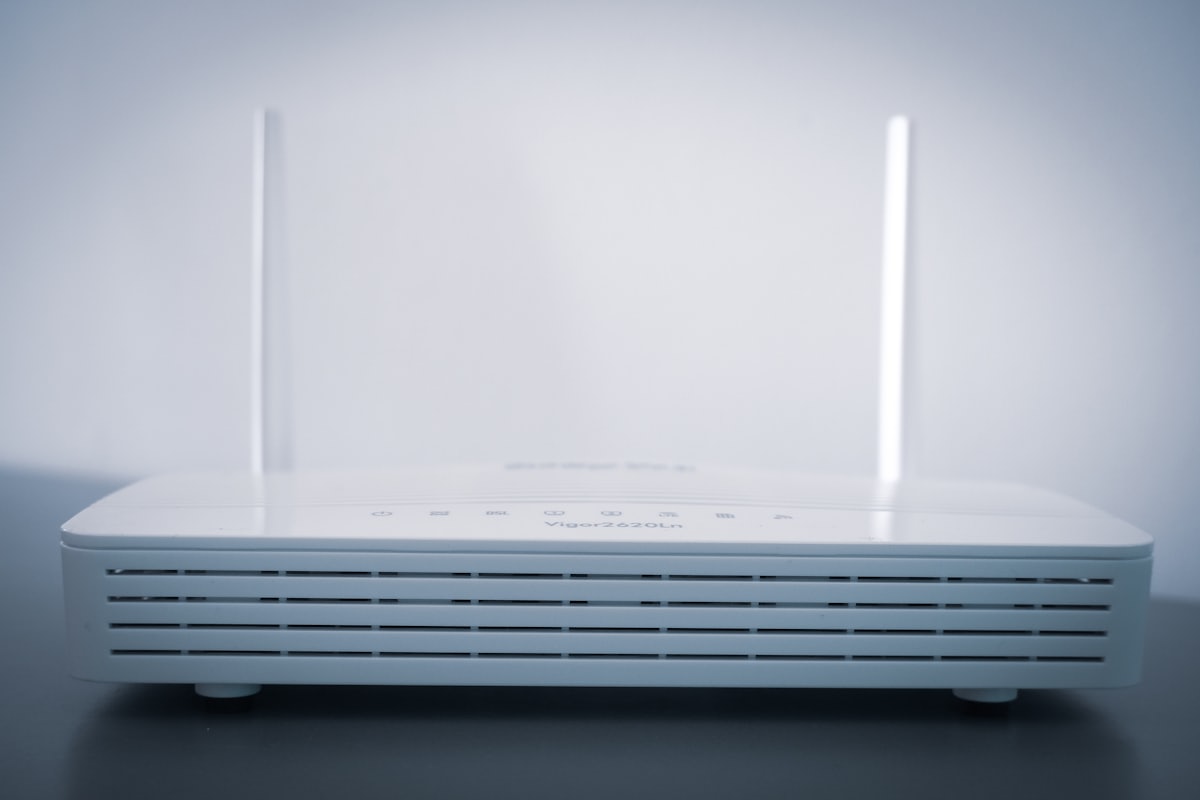
Setting up a network seems easy. You have the right equipment, you’ve signed up for high-speed internet access, and you’re ready to go, right? In some cases, sure. Depending on the type of equipment you have, the number of devices connected, and your level of IT expertise, it’s possible to have your network up and running in no time. However, what happens when you think your network is ready to go, and you don’t have a connection? Maybe you log in and your internet is moving at a snail’s pace. While outdated equipment or slow internet may be to blame, it’s likely that your problem lies within your network settings. One of those settings that may need to be adjusted and that can affect your Wi-Fi performance is the preamble type.
What does preamble mean?
Like the Preamble to the Constitution, a preamble in networking means “introduction.” In Wi-Fi, the preamble is a pattern at the very start of each transmission that lets the receiver detect an incoming frame and synchronize its timing before the actual data arrives. If the receiver can’t lock onto the preamble correctly, performance suffers. This is a legacy 2.4 GHz setting tied to the old 802.11b/g standards, so you’ll only find it on routers that still support those modes.
The two preamble types
There are two preamble types: long and short. The long preamble uses a larger synchronization header for maximum compatibility with old hardware, while the short preamble uses a smaller header, which slightly reduces overhead and improves efficiency on the 2.4 GHz band.
So why would a person want to add additional strings if it can decrease performance? With older equipment, sometimes this is required in order to connect. This is particularly true of older wireless cards. If you are unable to connect using the short preamble type because of outdated equipment, you can use the default long type for your connection.
You may also opt to choose this type if you have low signal strength or a high rate of interference. The long type can improve transmission when signals aren’t strong.
However, if neither of these situations apply to your network, you can change the type to short. This will boost performance, although you shouldn’t expect to see a significant change. If your internet won’t connect at all or goes very slowly, additional settings may also need to be adjusted to optimize performance.
Changing your settings
You can change this setting in your router’s wireless configuration. Consult your owner’s manual or the manufacturer’s website for the exact steps. If performance doesn’t improve or gets worse, simply switch it back. With modern equipment and no old 802.11b devices on your network, the short preamble is generally the better choice.
Final thoughts
Adjusting the preamble type won’t transform your network, but on older 2.4 GHz equipment it can make a small difference. It’s most useful as one of several tweaks to default settings rather than a fix on its own - and on a modern network with no legacy 802.11b devices, leaving it on short is usually best.