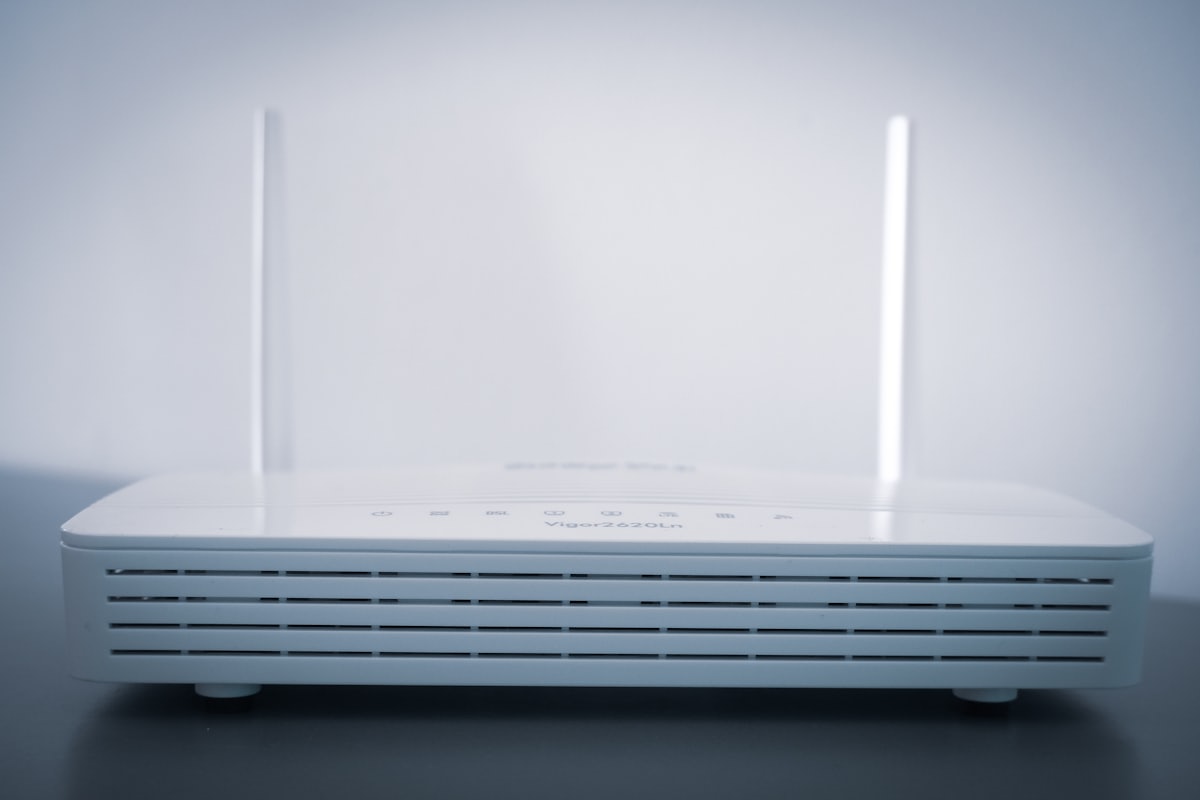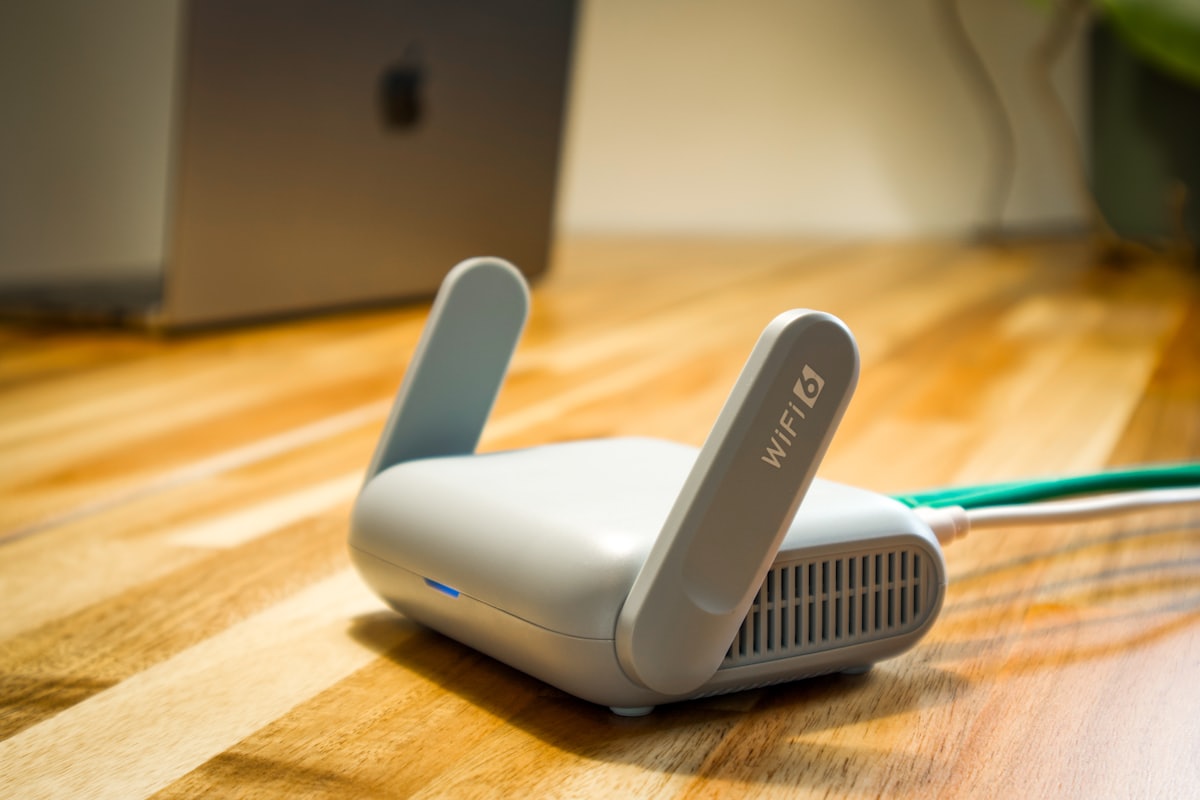
DTIM stands for Delivery Traffic Indication Map (you’ll also see it written as “message”). It’s a special countdown carried inside a Wi-Fi access point’s beacons that tells power-saving devices when buffered broadcast and multicast traffic is about to be delivered. In practical terms, the DTIM period is a multiplier of the beacon interval. To really understand what that means, it helps to break down each term and see how they work together.
What is beacon interval?
To understand DTIM, it helps to first grasp the beacon interval. Beacons are small management frames an access point broadcasts to advertise the network and keep connected devices in sync. How often they are sent is set by the beacon interval. The default on most routers is 100, meaning a beacon is sent roughly every 100 time units (a time unit is 1024 microseconds, so 100 TU is about 102.4 ms, usually rounded to 100 ms). Lower it to 50 and a beacon is sent about every 50 ms.
How does this relate to DTIM?
Not every beacon is a DTIM beacon. The DTIM period (also called the DTIM interval) sets how many beacons pass between each DTIM. A device in power-save mode can doze between DTIM beacons and only needs to wake to listen for one, at which point the access point delivers any buffered broadcast and multicast traffic. If the DTIM period is set to 1, every beacon is a DTIM and the device wakes for each one. If it is set to 3, only every third beacon is a DTIM, so the device can sleep longer.
What does all this mean for a network?
A higher DTIM period lets battery-powered devices sleep longer, which can noticeably improve battery life on phones, tablets, and IoT gadgets. The trade-off is latency: buffered broadcast and multicast traffic waits until the next DTIM, so a high value can add delay for anything that relies on that traffic. A lower value (like 1) is more responsive but wakes devices more often. For most home networks the default - commonly a DTIM period of 1 to 3 - is fine, so only adjust it if you are specifically chasing better battery life or troubleshooting a latency-sensitive device.
Final thoughts
Even if you don’t plan to dig into your router’s advanced settings, it’s worth knowing what they do so you can act quickly if a problem arises. DTIM can usually be left at its default, but in some cases adjusting it - alongside the beacon interval - can improve battery life or responsiveness.