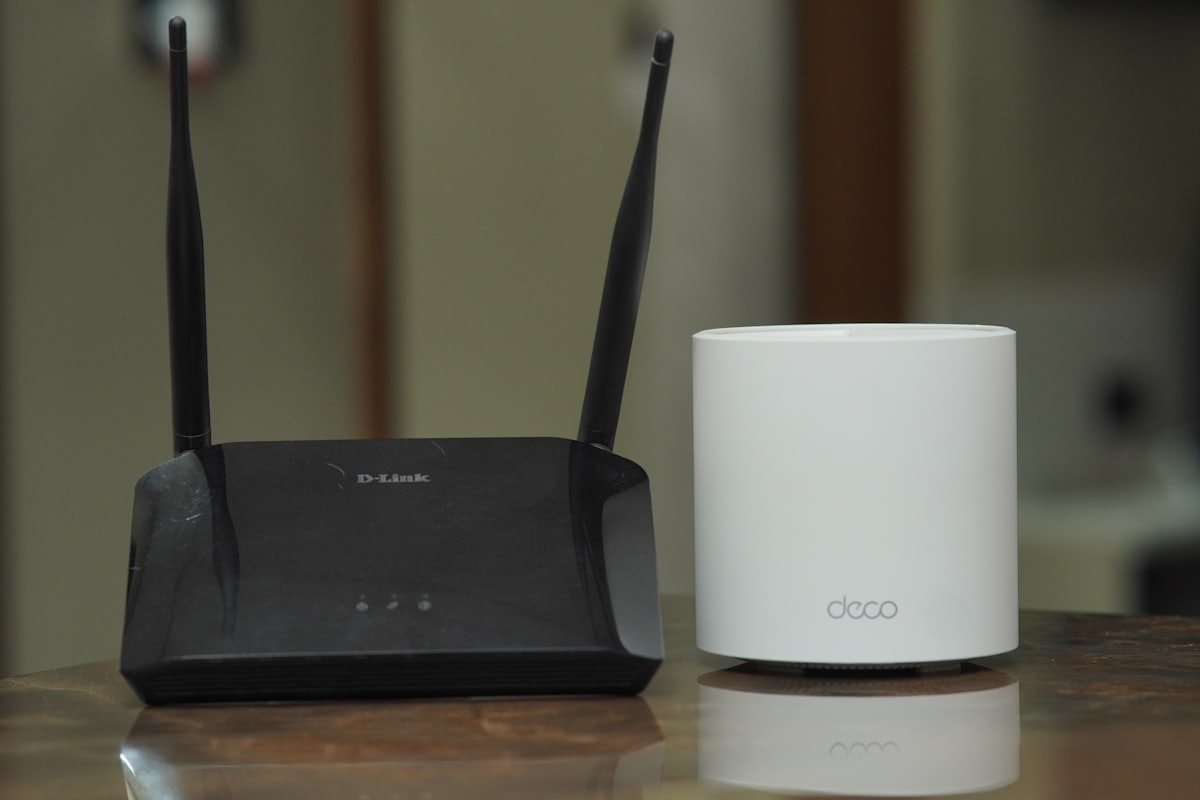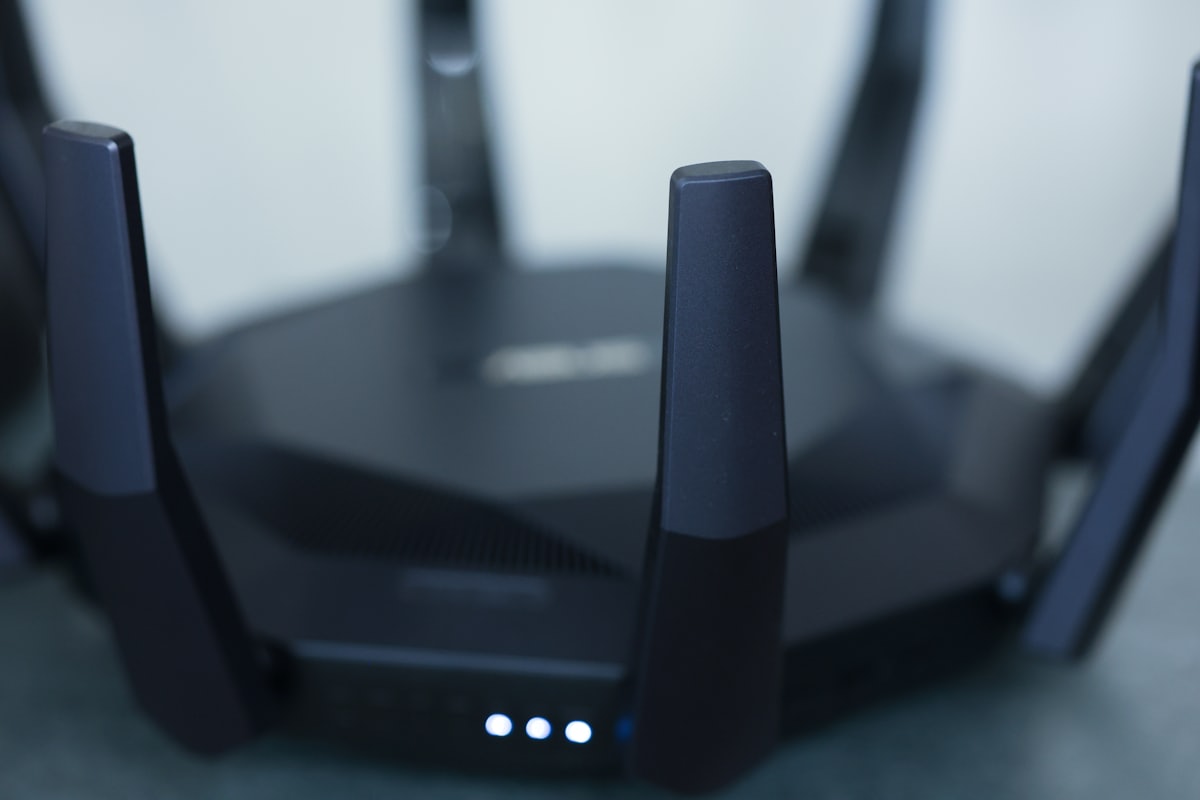

No matter where you travel in the world, you’ll find WiFi just about everywhere. There are hotspots in cafes, retail shops, and even in parks. It’s in the vast majority of homes, too, with 89% of US homes connected to broadband using WiFi to access the internet. That being said – not all WiFi is created equal.
Since the invention of the technology way back in 1997, there have been several iterations of WiFi protocols. Each has improved on the speed, transmission distance, and reliability of the one before it. WiFi 6 arrived in 2019 and is now the mainstream standard built into most new phones, laptops, and routers, introducing a raft of features and improvements worth understanding.
To help you understand what WiFi 6 is and how it’s different from previous generations, here’s a rundown of the advantages, disadvantages, and changes the new standard is going to introduce. By the end, you’ll be an expert in all things WiFi. Let’s dive in.
What’s in a Name?
If you’ve used WiFi in your home or elsewhere, you’ve probably noticed that the WiFi 6 standard uses a different naming convention than the ones that came before it. You might be familiar, for example, with WiFi standards like 802.11g, 802.11n, and 802.11ac. The change is happening because the Wi-Fi Alliance (which is responsible for maintaining the technology standards and naming them) has decided to do away with the old way of naming each generation of WiFi. In truth, it was a move that was long overdue.
So, beginning with this new WiFi standard, each new revision will bear a number – not a letter (or letters). This change will also apply to previous generations of the technology, renaming them to make them easier for the average person to distinguish. The changes are:
- 802.11b is now WiFi 1
- 802.11a is now WiFi 2
- 802.11g is now WiFi 3
- 802.11n is now WiFi 4
- 802.11ac is now WiFi 5
For those who are interested, the standard also has a name using the previous convention – 802.11ax – but you’ll rarely see that on devices. Manufacturers now label their hardware and networks “WiFi 6” so users can tell at a glance which equipment uses the newer technology.
The Advantages and Disadvantages of WiFi 6
As you might expect, this new version of WiFi improves upon its predecessor in several ways. The first improvement most users will notice is that it features data transfer speeds roughly 40% faster than WiFi 5. Translation: it’s much faster. Much of that is due to more efficient handling of the way the available wireless frequencies get used. By implementing a data handling architecture known as OFDMA, the WiFi base station can split each wireless channel into several subcarriers. That means it can talk at full speed with several connected devices at once, whereas previous standards were limited by the speed of the slowest connected device.
That higher speed capability also translates into power savings for connected devices. Since data doesn’t take as long to transmit and receive, you don’t need as much radio power overall. That should mean devices like smartphones and tablets will enjoy longer battery life when connected to WiFi. The standard doesn’t stop there, though. It also includes a feature called target wake time (TWT), which allows WiFi radios to power down whenever they’re not in use, even if it’s for brief periods. Added up, that downtime saves quite a bit of power when compared to previous WiFi standards.
The advantages don’t end there, though. A WiFi network using the new standard will also enjoy better performance in dense wireless environments. That means users won’t see slowdowns when there are too many connected devices, or when there are several competing WiFi networks nearby. To further minimize connectivity trouble, advanced beamforming technology also allows base stations to precisely control transmission direction that can help reach distant devices.
Of course, there’s no such thing as a technology without disadvantages, though there aren’t many here. When WiFi 6 first launched, supporting devices carried a price premium. That has largely disappeared - WiFi 6 is now standard on mainstream phones, laptops, and routers - so cost is no longer a real barrier.
The other disadvantage is range. The new standard doesn’t improve on the range of WiFi 5 networks, and in some environments, it might be slightly shorter. And, for users hoping to improve their internet connectivity, it’s important to note that it would take a gigabit internet connection to reach the full performance of the new standard, which most people still don’t have.
A New Standard, a New Band
There’s also another important development tied to the rollout of the new AX WiFi standard. It’s the introduction of a new frequency band that’s never been part of the WiFi ecosystem before. It happened when the Federal Communications Commission (FCC) voted to allow unlicensed use of the 6GHz band on April 23, 2020. That change permits WiFi networks to operate using its original bands, 2.4GHz and 5GHz, as well as the newly-available 6GHz band.
To take advantage of it, a revision called WiFi 6E was created (the “E” stands for Extended). WiFi 6E devices are now widely available, and many countries beyond the US have opened up some or all of the 6GHz band. Because the 6GHz band is new and lightly used, networks on it enjoy much less congestion and more usable speed than the crowded 2.4GHz and 5GHz bands.
The Bottom Line
WiFi 6 is no longer the future - it’s the baseline. If you’re buying a new router today, WiFi 6 is the minimum you should look for, and WiFi 6E is worth it if you have many devices competing for airtime and want access to the cleaner 6GHz band. The next step up, WiFi 7 (802.11be), is now also on the market for those who want to future-proof.
802.11ax delivered on its promise: better reliability, higher speed, and far better behavior in dense environments where wireless devices are clogging the airwaves. If your devices and router both support it, WiFi 6 is a genuine upgrade over WiFi 5 - and a great foundation now that WiFi 6E and WiFi 7 have arrived on top of it.