Thread is a wireless networking protocol built specifically for smart-home devices - the kind that run on batteries and send tiny amounts of data, like door sensors, motion detectors, and smart locks. It is low-power, reliable, and self-healing, and it has become a foundation of the modern smart home alongside Matter.
How Thread works
Thread creates a mesh: mains-powered devices (like smart plugs and bulbs) act as routers that relay messages for battery devices, so signals hop across the home rather than relying on one central point. If one device drops off, the network reroutes around it automatically - that is the "self-healing" part. Because each message is small and infrequent, battery sensors can last for years.
Thread vs WiFi vs Zigbee
- vs WiFi: WiFi is power-hungry and overkill for a sensor that sends a few bytes a day. Thread sips power, so it suits battery devices that WiFi would drain quickly.
- vs Zigbee: Thread is similar in spirit (low-power mesh) but is IP-based, meaning devices get real network addresses and integrate more cleanly with standards like Matter. It also avoids the brand-specific hubs Zigbee often required.
What is a Thread border router?
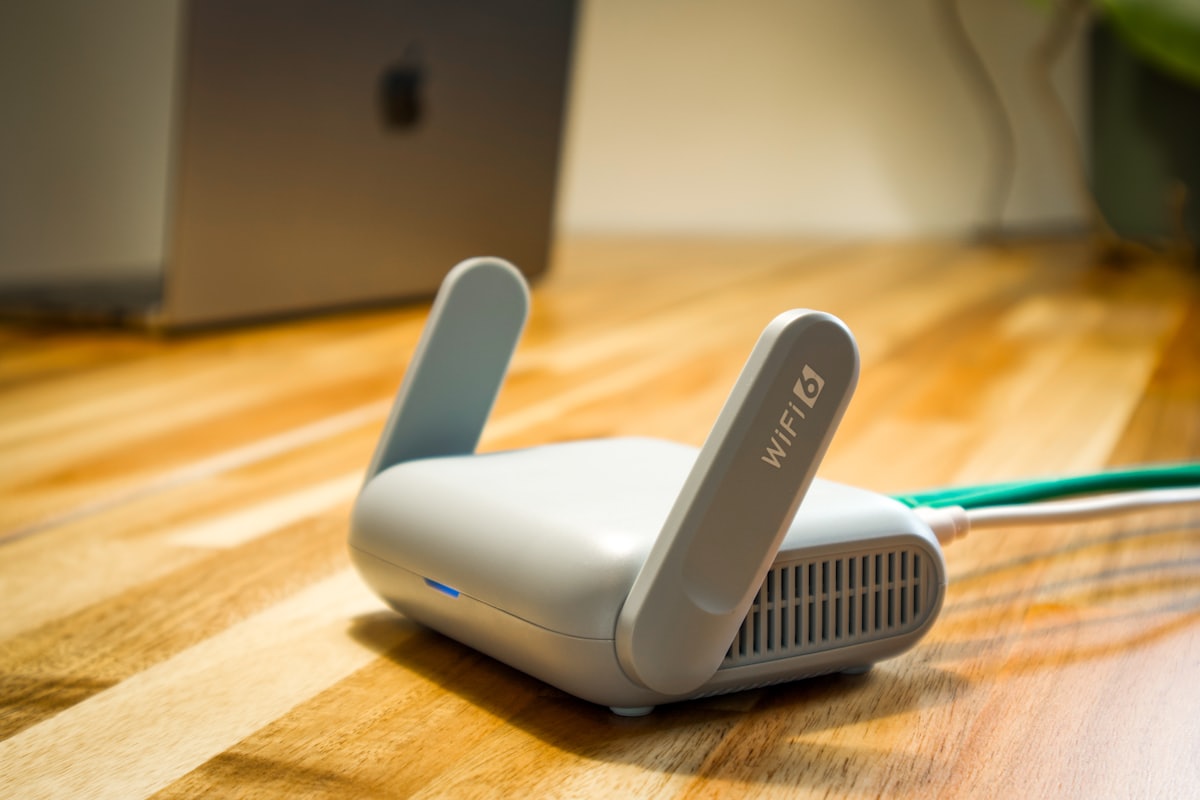
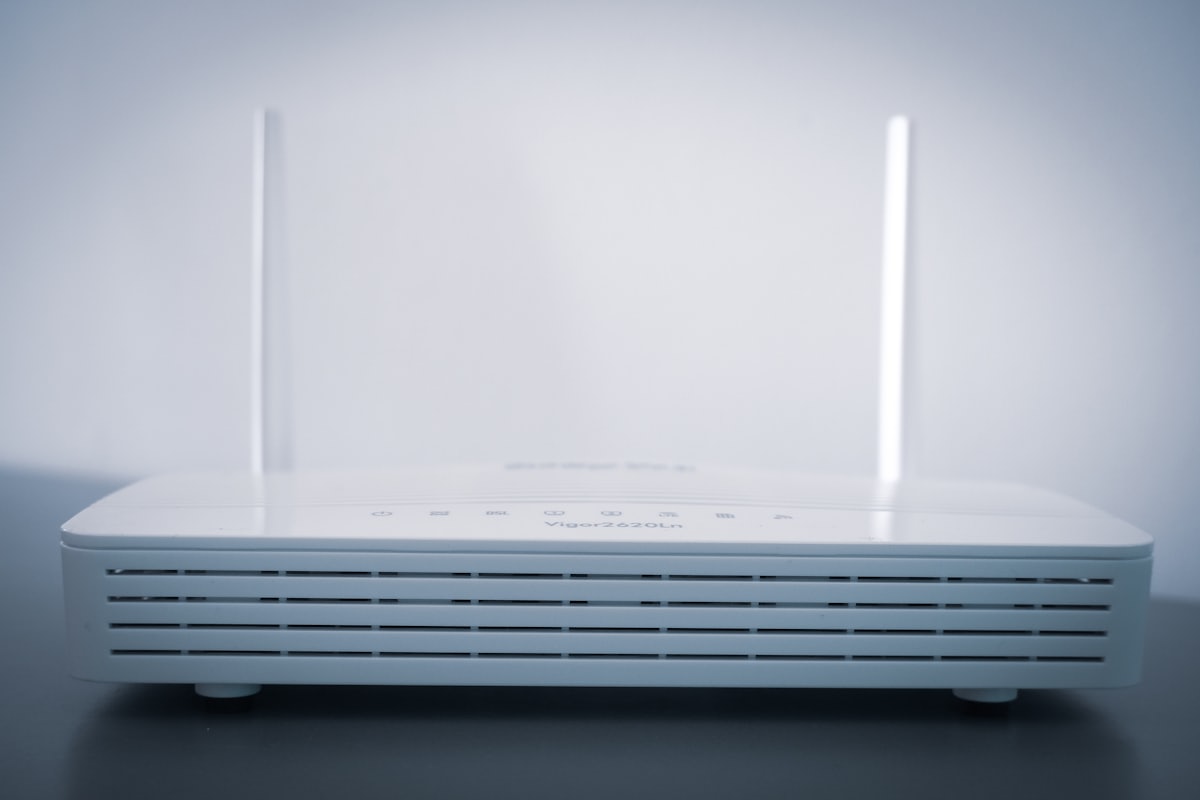
Thread devices speak their own protocol, so they need a bridge to reach your main network and the internet. That bridge is a Thread border router. Many 2026 routers, smart speakers, and streaming devices now include border-router functionality, creating a dedicated lane for smart-home traffic that does not compete with bandwidth-hungry laptops and TVs.
Thread and Matter together
Thread provides the transport for low-power devices; Matter provides the common language so those devices work across Apple, Google, Amazon, and Samsung. Many of the best new sensors and locks are "Matter over Thread" - they use Thread to connect and Matter to interoperate.
What it means for your network
Thread keeps small devices off your WiFi, which actually reduces clutter on your main network. For the WiFi-connected smart devices you do have (cameras, TVs, plugs), it is still smart to isolate them - see our IoT network segmentation guide.